

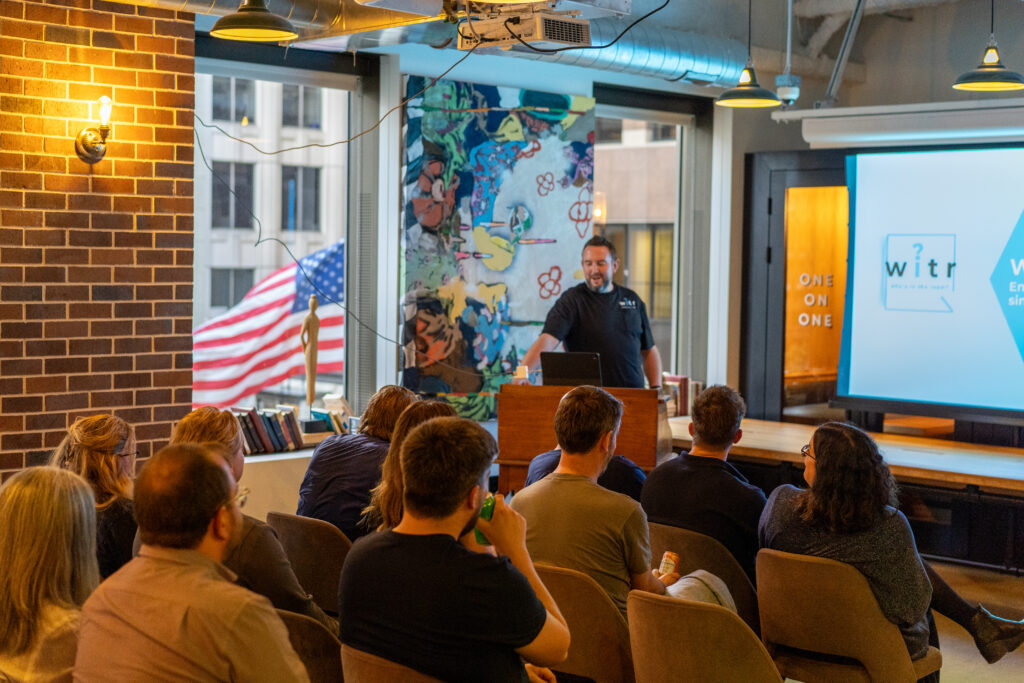
Attendee engagement is the extent to which people actively participate, connect and take useful action before, during and after an event. It is not the same as attendance, noise in the room or the number of times an app was downloaded. Good engagement creates value for the attendee and produces evidence the organiser can use.
That distinction is becoming commercially important. In the 2026 Cvent Global Planner Sourcing Report, 63% of event planners named attendee engagement as their primary measure of success. Event teams are increasingly being judged on the quality of the experience, not simply the size of the registration list.
The most effective attendee engagement ideas do three things:
- make the next useful action obvious;
- remove unnecessary effort;
- create a result worth measuring.
Here are 15 practical ways to do that across the full event journey.
What is attendee engagement?
Attendee engagement is meaningful participation in an event experience. It can include joining a discussion, asking a question, meeting a relevant person, responding to content, visiting a sponsor, sharing an objective, arranging a follow-up or contributing feedback.
A person can be physically present but not engaged. Equally, an attendee who has two valuable conversations and takes one clear follow-up action may be more engaged than someone who clicks repeatedly without gaining anything useful.
What does good attendee engagement look like?
| Event stage | Useful attendee behaviour | Evidence for the organiser |
|---|---|---|
| Before | Shares why they are attending and identifies relevant interests | Opt-ins, stated intent and early participation |
| During | Takes part, explores the room and starts useful conversations | Live activity, profile interactions, connection activity and sponsor engagement |
| After | Follows up, gives feedback or takes an agreed next step | Follow-up actions, feedback, enquiries and reported outcomes |
The right measures depend on the event’s purpose. A member event, investor gathering, conference and sponsor-led business event should not all use the same definition of success.
Before the event
1. Define the actions that matter
Begin by asking:
What do we want an attendee to do that would make this event more valuable?
Your answer may be:
- meet two relevant people;
- contribute to a discussion;
- ask for help with a current challenge;
- visit selected partners or sponsors;
- find a collaborator;
- arrange a follow-up meeting;
- feel confident returning to the next event.
If the desired action is unclear, engagement activity quickly becomes a collection of disconnected features.
2. Explain the value before asking people to participate
“Download our app” describes work. “See who is attending and find people relevant to you” describes value.
Every pre-event message should answer:
- What will this help me do?
- How long will it take?
- What information will I need to share?
- Is participation optional?
Lead with the attendee benefit, then explain the mechanism.
3. Let attendees state their intent
A name, job title and organisation are not enough to support relevant networking.
Ask attendees why they are coming, what they would like to discuss, what they need and what they may be able to offer. Keep the questions short and explain how the answers will be used.
Intent turns a static directory into useful context. It also gives organisers a clearer picture of what the room needs before the event begins.
4. Open the networking window early
Where appropriate, allow people to join before the event rather than introducing the networking tool after they arrive.
With WITR, attendees can join through a link in advance or scan a QR code on the day. Early participation lets them see who else has opted in, think about useful conversations and arrive with more purpose.
Do not open so early that the list looks empty or is forgotten. Match the timing to the event size and communication plan.
5. Design time for conversation
You cannot promise valuable networking and then fill every minute with content.
Protect sufficient time in the agenda for:
- informal arrivals;
- structured introductions;
- longer breaks;
- small-group discussion;
- quiet one-to-one conversations;
- follow-up before people leave.
Networking needs both time and permission. Tell attendees when it is expected and make the transition into conversation clear.
During the event
6. Remove the download barrier
Every extra step reduces participation: app-store search, installation, account creation, password, verification and profile setup.
Use the lightest tool capable of delivering the outcome. WITR is a browser-based event networking app, so attendees scan one QR code, opt in and access the live list without downloading anything.
Lower friction does not guarantee engagement, but high friction can prevent it before it begins.
7. Put the invitation where the action happens
A single QR code in a pre-event email is easy to miss.
Repeat the invitation at relevant physical and verbal moments:
- the registration desk;
- event signage;
- lanyards or table cards;
- the opening slide;
- the host’s welcome;
- the first networking break;
- the WITR Wall or venue screen.
The host should briefly explain the benefit aloud. A visible code plus a clear reason to scan normally performs better than signage alone.
8. Help people see who is actually in the room
A registration list tells attendees who intended to come. A live, opt-in list tells them who is available now.
That difference matters. Attendees can spend less time scanning badges or asking the host for introductions and more time identifying people with a relevant reason to talk.
WITR’s live attendee list allows each person to share a concise profile and purpose. Participation is voluntary, keeping the experience useful without exposing people who do not wish to appear.
9. Suggest relevant connections
Large rooms create too much choice. Random introductions can be pleasant, but they do not consistently connect needs, offers and expertise.
AI event matchmaking can help by identifying potentially useful overlaps in attendee intent, role and event context. The suggestion should explain enough for the attendee to make their own decision.
Good AI connection support answers:
- Who may be relevant?
- Why might this conversation be useful?
- What could I ask them?
It should not pretend to know that two people will definitely connect.
10. Provide better conversation starters
“Tell the person beside you an interesting fact” may create activity, but it does not necessarily create value.
Use prompts connected to the purpose of the event:
- What challenge are you trying to solve this quarter?
- What expertise or introduction would be useful to you?
- What have you learned here that you will act on?
- What is changing most quickly in your part of the sector?
- What can you offer someone else in the room?
WITR can provide AI-assisted conversation starters related to the attendee and event context, helping people move beyond generic small talk.
11. Create more than one route into participation
Not every attendee wants to speak first, join a large circle or take part in a competitive game.
Offer different engagement routes:
- one-to-one introductions;
- small facilitated groups;
- written questions;
- quiet networking areas;
- an opt-in live attendee list;
- suggested conversations;
- host-led introductions;
- informal breaks.
Inclusive engagement design gives quieter, newer and neurodivergent attendees a fairer chance to contribute.
12. Make sponsors useful to the experience
Sponsor engagement should not feel like a toll attendees must pay to access the event.
Give sponsors a relevant role:
- answer a defined attendee question;
- share expertise in a short clinic;
- support a networking theme;
- provide a useful resource;
- host conversations with people who have expressed related interests;
- contribute to the post-event insight.
WITR sponsor visibility places sponsor branding within the attendee networking journey and gives organisers aggregate evidence of visibility and engagement. The sponsor becomes connected to value rather than interruption.
13. Watch the room and respond live
Do not wait for the post-event survey to discover that engagement never started.
Monitor:
- how quickly people are joining;
- whether attendee profiles contain useful intent;
- when activity rises or falls;
- whether QR placement is working;
- which prompts or host announcements create action;
- whether a particular group is being left out.
If participation is low, repeat the value, move the QR code, ask the host to demonstrate the experience or build a specific networking moment into the agenda.
After the event
14. Make follow-up specific and time-bound
Generic “thank you for attending” messages waste the context the event has created.
Encourage attendees to:
- contact the people they met;
- revisit agreed actions;
- send promised resources;
- respond to introductions;
- identify one conversation that should continue.
WITR keeps attendee-level information available for a limited period after the event so expected follow-up can take place. Personal data is then removed after 48 working hours, while organisers retain anonymised, aggregate intelligence.
15. Turn engagement data into the next decision
An analytics dashboard is useful only if it changes something.
After the event, ask:
- When did people begin joining?
- What proportion of the available audience opted in?
- What were attendees trying to find, solve or offer?
- Which networking features were used?
- What evidence can be shared with sponsors?
- Where did engagement slow down?
- What should be repeated or changed next time?
Event networking analytics can reveal patterns that a satisfaction score alone cannot. That insight should inform the next agenda, audience mix, sponsor proposition and communication plan.
How can AI improve attendee engagement?
AI can improve attendee engagement when it reduces choice and makes participation more relevant. At an in-person event, its best role is to:
- identify potentially useful people;
- explain why a connection may be relevant;
- suggest a credible opening question;
- summarise broad intent themes for the organiser.
It should direct people back into the room, not keep them interacting with a screen.
WITR uses AI Smart Connections and conversation starters to support human introductions. Attendees remain in control of whom they approach and what they share.
Which attendee engagement metrics should organisers track?
Choose metrics that reflect the desired outcome rather than counting everything available.
Useful measures can include:
- attendee opt-in rate;
- time and pattern of joining;
- completion of attendee intent;
- attendee-list views;
- profile interactions;
- Smart Connection activity;
- conversation-starter use;
- sponsor visibility and clicks;
- match or connection feedback;
- follow-up actions;
- attendee satisfaction;
- recurring intent themes.
Combine behavioural evidence with attendee feedback. A high number of clicks is not automatically a successful event, and one anecdote should not replace the wider picture.
Turn attendee engagement into useful action
WITR helps event organisers make face-to-face networking easier, more inclusive and more measurable with one QR code, a live attendee list, AI Smart Connections and Impact Analytics.
Attendees use it free and do not need to download an app. Basic events cost £10 for up to 20 attendees. Pro events start at £50 for up to 50 attendees, then cost £1 for each additional attendee. Organisers can book a demonstration or create an event in minutes.
Frequently asked questions
What is an example of attendee engagement?
An attendee identifying and speaking to a relevant person, contributing a question, visiting a useful sponsor resource or arranging a follow-up are all meaningful examples. The best example depends on the purpose of the event.
How do you increase attendee engagement at an in-person event?
Define the action you want, explain its benefit, remove unnecessary steps and create enough time for participation. Give attendees useful context about people and activities, then monitor live behaviour so you can respond during the event.
How do you engage attendees before an event?
Share the value of participation, let people state why they are attending and open relevant networking or community features at the right time. Keep pre-event actions short and make it clear how the information will improve their experience.
What is the difference between attendance and engagement?
Attendance confirms that someone was present. Engagement shows that they participated or took a useful action. Registration and check-in are valuable operational measures, but they do not prove that an attendee connected, learned or acted.
How can you measure attendee engagement?
Combine behavioural data such as opt-ins, participation, interactions and follow-up with qualitative feedback. Choose a small set of measures linked to the event objective and compare them across similar events.
Can AI improve face-to-face event engagement?
Yes, when it helps attendees find relevant people or questions more quickly. AI should support human judgement and direct people towards face-to-face conversation rather than becoming the event experience itself.